


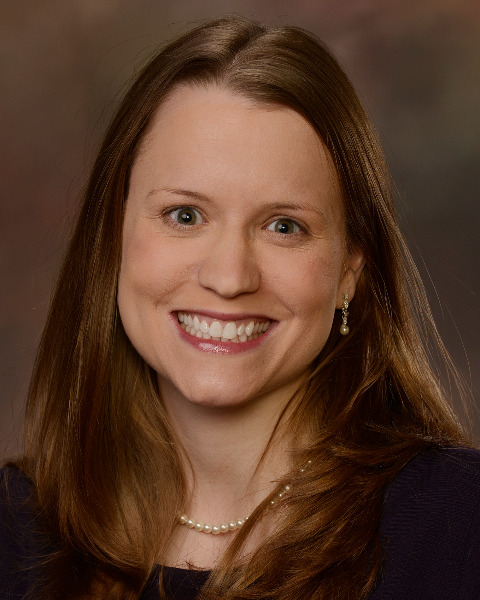
Marilyn Bulloch, PharmD, BCPS, SPP
Auburn University Harrison School of Pharmacy, Alabama
Disclosure information not submitted.
Age-related physiologic changes in pharmacokinetics and pharmacodynamics impact how older adults process and respond to medications, including medications they may have taken without harm for years. As people age, certain medications may become inappropriate, unnecessary, or suboptimally utilized. A trend in medical culture is to refrain from addressing outpatient medications that do not acutely impact a patient’s critical illness, even when those medications may be harmful to the patient’s overall functional status. As a result, older adults often receive medications in the ICU or at transitions of care that pose risk or are of no value and that can negatively impact post-critical illness recovery. Medications may also be initiated in the ICU that carry a risk of delirium, geriatric syndromes, or other acute or long-term harms specific to a geriatric patient. Recognizing and avoiding these medications while still meeting a patient’s critical care needs are essential in proactively mitigating preventable untoward events. This session will discuss strategic methods for identifying medications that can impact patients’ long-term recovery, evidence-based methods for safely and effectively deprescribing in older adults, and alternative approaches when more traditional approaches may be inappropriate.
Marilyn N. Bulloch, PharmD, BCPS, SPP – Auburn University Harrison School of Pharmacy
Christina Boncyk, MD
Thomas Gill, MD (he/him/his)